Understanding Slate Capivex: The Future of Trading Technology
As financial markets evolve, innovative technologies like slate capivex are reshaping how traders approach asset management and investing. This platform integrates advanced artificial intelligence (AI), machine learning, and elements of quantum computing to provide traders with enhanced tools for market analysis and execution. For those in the trading community, it represents a paradigm shift that promises faster, more accurate decision-making capabilities, appealing to both novice and experienced traders alike.
What is Slate Capivex?
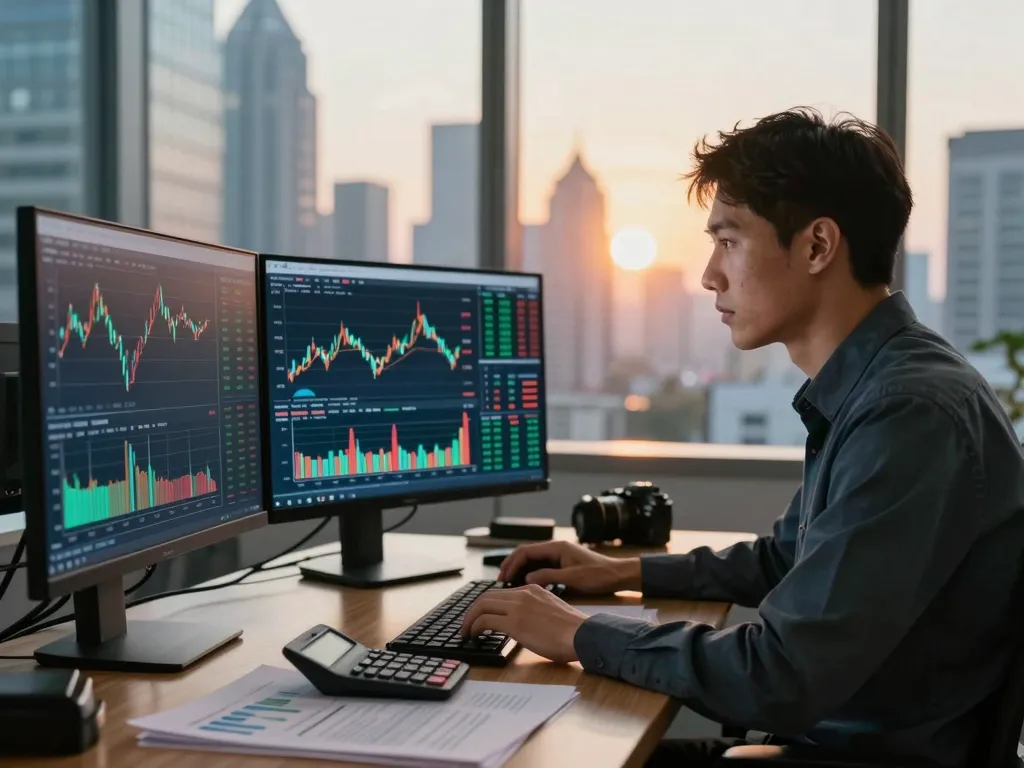
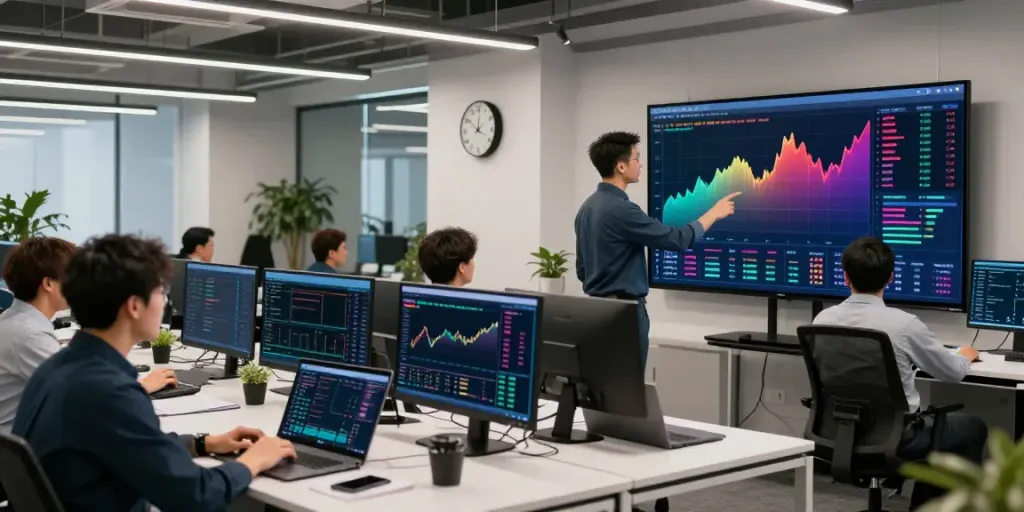
Slate Capivex can be described as a modern trading platform that leverages cutting-edge technology to optimize trading strategies. At its core, it combines the principles of quantum computing and machine learning to process vast amounts of market data in real time. Traditional computers utilize bits, which operate in a binary format of 0s and 1s. In contrast, quantum computers utilize qubits, allowing them to process complex data more efficiently. While still in development, quantum computing holds tremendous potential for revolutionizing trading platforms.
Key Features of Slate Capivex Platforms
On any given Slate Capivex platform, users can expect to find a range of robust features designed to enhance their trading experience. Key features typically include:
- Real-Time Data Analysis: The ability to analyze market conditions and historical data concurrently allows traders to make informed decisions.
- Automated Trading Tools: Algorithms can execute trades based on pre-defined strategies, significantly reducing the time spent on manual analysis.
- AI-Powered Insights: Machine learning helps identify patterns and signals that human traders might overlook.
- User-Friendly Interfaces: Many platforms prioritize accessibility, making it easy for traders of all skill levels to navigate and utilize advanced features.
How Slate Capivex Transforms Trading Strategies
Slate Capivex offers transformative potential for trading strategies by introducing automation and advanced analytics to the decision-making process. This enables traders to:
- Enhance Efficiency: Automation allows for the swift execution of trades, maximizing potential profit margins while minimizing human error.
- Reduce Emotional Trading: By adhering to defined strategies, traders can mitigate the influence of emotions like fear and greed on their decision-making.
- Utilize Comprehensive Market Analysis: Access to AI-driven insights leads to improved understanding of market trends, thereby refining trading tactics.
Why Canadian Traders Should Care About Regulation
The landscape of trading is governed by a variety of regulations that can significantly impact traders' operations, especially within Canada. These regulations are crucial for ensuring that trading platforms operate fairly and protect investors. Understanding the importance of compliance and regulation protects traders from potential fraud and promotes a transparent trading environment.
The Importance of Trading Compliance
For Canadian traders, compliance with local and national regulations is not just essential; it is mandatory. Regulated platforms are typically required to adhere to strict guidelines, including:
- Financial Reporting: Regular audits ensure that trading platforms maintain transparency about their operations and financial health.
- Investor Protection: Regulations are designed to protect against fraud and misrepresentation, helping to bolster investor confidence.
- Operational Standards: Compliance mandates operational standards that enhance the overall integrity and security of the trading environment.
Current Regulatory Landscape in Canada
The Canadian regulatory landscape is diverse, as it comprises various provincial and territorial regulators. Each entity governs the operations of trading platforms within its jurisdiction. Key regulators include:
- Canadian Securities Administrators (CSA): This umbrella organization coordinates the securities regulatory authorities across provinces.
- Autorité des marchés financiers (AMF): Specifically overseeing Quebec, the AMF ensures compliance with provincial laws.
- Investment Industry Regulatory Organization of Canada (IIROC): This self-regulatory organization oversees investment dealers and trading activity in Canada.
Common Pitfalls in Trader Regulation
Despite the rigorous framework in place, traders must remain vigilant to avoid common pitfalls, such as:
- Unregistered Platforms: Engaging with unregistered trading platforms can expose traders to significant risks.
- Misleading Information: Traders should scrutinize claims regarding performance and reliability to ensure they are not misled by marketing tactics.
- Fee Structures: Failing to understand the fee structures can lead to unexpected costs that diminish profitability.
AI-Powered Trading: Benefits and Limitations
AI technology has significantly influenced the trading landscape, offering various benefits while also presenting challenges. Understanding both sides is essential for informed trading.
How AI Enhances Market Analysis
AI empowers traders by enhancing market analysis in several ways:
- Speed and Efficiency: AI algorithms process vast datasets at lightning speed, allowing traders to capitalize on fleeting opportunities in the market.
- Pattern Recognition: AI can identify and analyze patterns that may not be immediately obvious to human traders, leading to more informed decision-making.
- Predictive Analytics: By leveraging historical data, AI models can forecast potential market movements, helping traders make proactive decisions.
Limitations of AI in Trading Decisions
While AI brings numerous advantages, it's not without its limitations:
- Market Volatility: AI models can struggle to adapt to sudden market changes, leading to poor performance during unexpected events.
- Data Quality: The effectiveness of AI is highly reliant on the quality of data it processes—garbage in, garbage out.
- Overfitting: AI models may become overly complex, capturing noise rather than signal, which can mislead trading decisions.
Integrating AI with Human Insight
Successful trading in a technological environment requires a harmonious balance between AI capabilities and human insight. Traders should aim to:
- Combine Data with Experience: Use AI-generated insights as tools to complement human judgment and experience.
- Continuously Learn: Stay abreast of market trends and technological advancements to refine both AI usage and manual strategies.
- Establish Clear Objectives: Define clear trading goals to help guide the integration of AI tools into trading strategies.
Evaluating Slate Capivex Services
When considering a trading platform like Slate Capivex, thorough evaluation of its services is essential to ensure it meets your trading needs effectively.
Factors to Consider Before Choosing a Platform
Before committing to any trading platform, traders should assess several factors, including:
- Regulatory Compliance: Ensure the platform is registered with the appropriate securities regulators to ensure safety.
- Platform Features: Evaluate the range of features offered, including automated trading capabilities and data analytics tools.
- Reputation: Research user reviews and feedback to gauge the platform’s credibility and reliability.
User Experience and Technology Assessment
A user-friendly interface is crucial for an effective trading experience. Traders should examine:
- Ease of Navigation: Ensure that the platform is intuitive and easy to navigate for both novices and experts.
- Technical Support: Availability of reliable customer service can significantly enhance the trading experience.
- Mobile Accessibility: Consider whether the platform offers mobile access, allowing for trading on the go.
Understanding Fees and Costs
Before choosing a platform, it is vital to understand the fee structure:
- Trading Fees: Analyze the cost associated with executing trades, including commissions and spreads.
- Withdrawal Fees: Look into any fees incurred when withdrawing funds from the platform.
- Hidden Costs: Be aware of any additional charges that may apply, such as inactivity fees or platform subscription fees.
The Future of AI Trading: Trends and Predictions
The trajectory of AI in trading points toward an increasingly integrated future where technology will play an even greater role in investment strategies.
Emerging Technologies in Trading
As technology continues to advance, several trends are worth noting:
- Blockchain Technology: Integration of blockchain with trading platforms may enhance transaction transparency and security.
- Quantum Computing: Though still nascent, quantum computing shows promise for significant breakthroughs in trading algorithms.
- Enhanced Personalization: AI-driven platforms will likely offer more tailored experiences based on individual trading behaviors and preferences.
Predictions for 2026 and Beyond
As we look ahead to 2026 and beyond, expect the following changes in trading:
- Increased Automation: Automation will become more prevalent, encouraging traders to rely on sophisticated algorithms and systems to manage trades autonomously.
- Greater Regulatory Scrutiny: With technological advancements, regulatory bodies will intensify scrutiny of trading platforms, demanding higher transparency standards.
- Focus on Sustainability: Environmental, Social, and Governance (ESG) factors will likely become more integral to trading strategies, emphasizing ethical investment.
Preparing for Market Changes
Staying proactive in the face of evolving markets is essential. Traders should:
- Continuously Educate Themselves: Regularly update their understanding of market trends and technology advancements.
- Adapt Strategies: Be willing to pivot trading strategies as necessary to leverage new opportunities effectively.
- Build a Diverse Portfolio: Diversification will remain a crucial component of managing risk in volatile markets.
Is Slate Capivex Legit?
The legitimacy of Slate Capivex or any trading platform should always be verified through rigorous due diligence. Researching the platform’s regulatory status, user testimonials, and operational history is crucial.
How to Protect Your Personal Information?
Security should be a top priority for traders using online platforms. Essential practices include:
- Use Strong Passwords: Implement complex passwords and change them regularly to protect accounts.
- Enable Two-Factor Authentication: This adds an extra layer of security to user accounts.
- Review Privacy Policies: Understand how personal information is stored and used by the platform.
Can AI Really Predict Stock Prices?
While AI enhances market analysis, it is essential to recognize its limitations. AI does not guarantee accurate predictions but can offer valuable insights based on historical data and trends.
What are the Risks of Automated Trading?
Automated trading does not eliminate risk. Potential pitfalls include:
- Technical Failures: System outages or algorithm errors can lead to unexpected trading losses.
- Market Volatility: Rapid shifts in market conditions can render automated strategies ineffective.
- Overreliance on Technology: Traders may neglect market analysis and intuition in favor of automated systems.
How to Choose the Right Slate Capivex Platform?
Choosing the right platform requires careful consideration of your trading style, preferences, and the specific features offered by different Slate Capivex platforms. Factors to keep in mind include:
- Feature Set: Determine which features align best with your trading strategy.
- User Reviews: Investigate user experiences to ensure the platform's reliability and effectiveness.
- Regulatory Compliance: Ensure that the platform adheres to the relevant regulations to protect your investments.