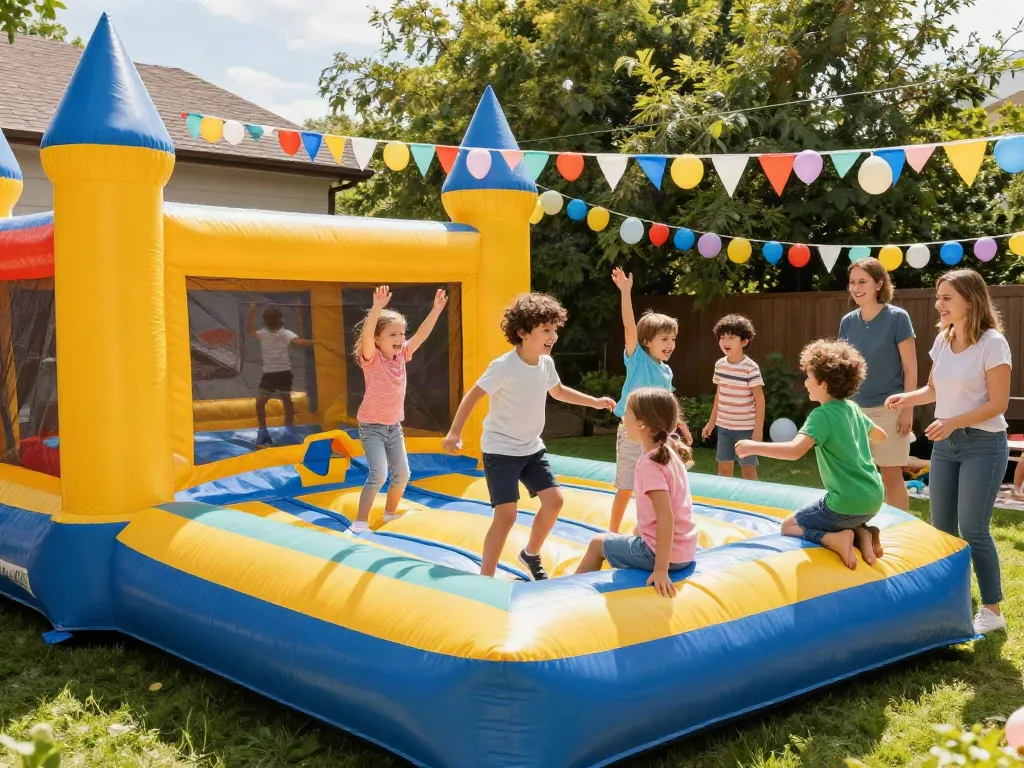
Understanding the Appeal of Bounce Castles
Bounce castles, also known as inflatable bounce houses, have become a staple at children's parties and outdoor events. These colorful and exciting structures offer not only a place for kids to have fun but also a means for parents to provide safe entertainment. As parents increasingly seek options that promote active play and social interaction, the popularity of bounce castles continues to soar. When exploring options, bounce castle provides comprehensive insights into selecting the right inflatable for your needs, emphasizing safety and enjoyment.
What Makes Bounce Castles Popular for Kids?
The allure of bounce castles lies in their ability to captivate children's imaginations. With vibrant colors, whimsical designs, and spacious interiors, these inflatables create an exciting playground that encourages physical activity. Kids can jump, bounce, and engage in endless games, promoting their physical health while fostering social skills through shared play experiences. Moreover, many bounce castles come equipped with additional features like slides, basketball hoops, and themed designs that enhance the play experience.
Benefits of Owning vs. Renting a Bounce Castle
- Owning a Bounce Castle: For families who frequently host parties or have children who love to jump, owning a bounce castle can be a worthwhile investment. With ownership, you have the full flexibility to set it up whenever you wish, eliminating rental fees and scheduling conflicts. Furthermore, you can choose the design and features that best fit your family’s needs.
- Renting a Bounce Castle: Renting can be more cost-effective for occasional use. It allows you to access a variety of models without the upfront investment. Renting also means you won't have the burden of maintenance or storage, making it a practical choice for one-off events or gatherings.
Considerations for Selecting the Right Bounce Castle
When choosing a bounce castle, several factors need to be taken into account. First, consider the age group of the children who will be using it. Some inflatables are specifically designed for toddlers, while others are suitable for older kids. Next, assess the available space for setup; select a model that fits comfortably in your yard or designated area, allowing for buffer zones to enhance safety. Finally, ensure that the bounce castle meets safety standards and is made of durable, high-quality materials to withstand frequent use.
Safety Guidelines for Bounce Castle Use
While bounce castles are predominantly safe, it is crucial to adhere to certain safety guidelines to minimize the risk of injuries and accidents. Understanding these guidelines not only ensures a fun-filled experience but also promotes responsible usage, making everyone’s experience more enjoyable.
Essential Safety Tips for Outdoor Events
- Supervision: Always ensure that an adult is supervising children while they are in the bounce castle.
- Weather Conditions: Avoid using a bounce castle during high winds, rain, or thunderstorms, as these conditions can make it dangerous.
- Weight Limits: Adhere strictly to the manufacturer’s weight and occupancy limits to prevent overloading the inflatable.
Common Injuries and How to Prevent Them
Common injuries in bounce castles can include sprains, strains, or collisions. To prevent these, instruct children to take turns and to avoid rough play. Ensure that all users remove shoes, glasses, and any sharp objects before entering the inflatable. Clear the bouncer of any debris and ensure that it remains inflated at all times during use.
Age Restrictions and Recommendations
Many bounce castles have age recommendations that cater to different developmental levels. It's generally advised that children under the age of 3 use bouncers specifically designed for toddlers, which are typically smaller and may have additional safety features. For older kids, larger bounce houses can accommodate more players, but proper supervision and spacing should be enforced.
Setting Up the Perfect Bounce Castle Experience
Creating a memorable experience with a bounce castle involves careful planning and execution. By focusing on location, setup, and additional accessories, you can maximize excitement for the little ones.
Choosing the Right Location for Setup
Ideal locations for bounce castle setups are flat, open areas free of obstacles like trees, fences, or rocks. It's also important to consider proximity to electrical outlets for inflation and to access restrooms and refreshment areas for the children. Ensure there’s enough space around the castle for running and safe play.
Inflation and Dismantling Best Practices
Follow the manufacturer’s instructions for inflating and deflating the bounce castle. Use a heavy-duty blower to inflate, ensuring that it is fully expanded before allowing children to enter. When dismantling, first ensure the castle is entirely vacated, then carefully deflate it to prevent damage. Store the inflatable in a cool, dry place to prolong its lifespan.
Party Accessories to Enhance the Experience
- Decoration: Themed decorations can elevate the bounce castle's visual appeal to match your party theme.
- Games: Incorporating games like obstacle courses or relay races can engage children even more.
- Snacks and Drinks: Providing refreshments nearby ensures that kids remain hydrated and energized throughout the event.
Cost Considerations for Bounce Castles
Understanding the financial implications of bounce castles is crucial for budgeting effectively. Costs can vary significantly based on ownership versus renting, along with other associated expenses.
Price Range for Purchasing or Renting Bounce Castles
The price of a bounce castle can range widely depending on size, features, and brand. On average, consumers can expect to pay between $200 to $500 for a personal inflatable. Renting a bounce castle for a day typically costs between $100 to $300, with prices influenced by location, duration, and the type of inflatable selected.
Additional Costs to Consider (Insurance, Setup, etc.)
When budgeting for a bounce castle, it’s essential to consider additional costs such as liability insurance, which may be required for rentals. Setup fees, transportation, and cleaning costs post-event should also be factored into your overall budget to avoid surprises.
How to Budget for Bounce Castle Events
To budget effectively, outline all potential expenses beforehand. Determine whether you’ll be renting or purchasing a bounce castle and include all associated costs in your calculations. Setting aside a contingency fund for unforeseen expenses can also help manage your finances smoothly.
Future Trends in Bounce Castles (2026 and Beyond)
The bounce castle industry is continually evolving, with new trends and innovations emerging that enhance user experiences and safety. Staying informed about these developments can help consumers make better decisions regarding their investments.
Innovative Designs and Features to Watch
Future bounce castles are likely to feature advanced designs that include interactive elements, such as augmented reality experiences and custom themes that appeal to both children and adults. Safety features will also evolve, potentially incorporating better materials and cushioning technology to reduce injury risks.
Eco-Friendly Options in the Bounce Castle Industry
As sustainability becomes a priority across industries, the bounce castle market is beginning to see eco-friendly materials used in construction. Options that utilize recycled or biodegradable materials may become more prevalent, appealing to eco-conscious consumers.
The Impact of Technology on Bounce Castle Experiences
Advancements in technology could redefine bounce castle experiences with features like mobile app integration for managing events, safety monitoring systems, and even payment processing capabilities for rentals. Smart technology can also enhance safety through real-time monitoring of weight limits and usage conditions.
What is a bouncy castle called?
Bouncy castles are often referred to as inflatable bounce houses, moonwalks, or jumpers, depending on the region and the design. These terms generally refer to similar inflatable structures intended for recreational jumping and play.
Why are bouncy castles so expensive?
The cost of bouncy castles typically reflects the quality of materials used, safety features, and overall durability. High-quality inflatables that meet safety standards and can withstand regular use tend to be more expensive due to the investment in design and manufacturing.
How much does a bouncing castle cost?
Quality bounce castles can range in price from around $200 to over $2,000. Factors affecting cost include size, brand reputation, and additional features such as slides or interactive elements.
Can my 2-year-old go in a bounce house?
Many bounce houses cater specifically to toddlers with smaller, safer designs. However, adult supervision is essential to monitor activities and ensure safety, particularly for younger children.
What are the best bounce castle brands?
Several reputable brands dominate the bounce castle market, known for their quality and safety standards. Notable mentions include Bounceland, Happy Jump, and JumpOrange, each offering diverse options to suit different needs and budgets.